Elevate Your Practice: Injury Rehabilitation Strategies
- erinbethinstyle
- Feb 11
- 3 min read

Injuries can be a significant setback for athletes, fitness enthusiasts, and anyone leading an active lifestyle. Whether it's a sprain, strain, or more severe injury, the road to recovery can often feel daunting. However, with the right rehabilitation strategies, you can not only recover but also elevate your overall performance. This blog post will explore effective injury rehabilitation strategies that can help you bounce back stronger than ever.

Understanding Injury Rehabilitation
Injury rehabilitation is a structured process aimed at restoring function and strength after an injury. It involves a series of steps designed to promote healing, regain mobility, and prevent future injuries. The key components of an effective rehabilitation program include:
Assessment: Understanding the nature and extent of the injury.
Treatment: Implementing therapies to reduce pain and inflammation.
Rehabilitation Exercises: Gradually increasing strength and flexibility.
Education: Teaching the individual about their injury and prevention strategies.
The Importance of Early Intervention
Early intervention is crucial in injury rehabilitation. The sooner you start your rehabilitation program, the better your chances of a full recovery. Delaying treatment can lead to complications and prolonged recovery times. Here are some benefits of early intervention:
Reduced Pain: Addressing the injury promptly can help manage pain levels.
Faster Recovery: Early treatment can accelerate the healing process.
Prevention of Further Injury: Proper rehabilitation can prevent re-injury.
Key Rehabilitation Strategies
1. Rest and Recovery
The first step in any rehabilitation program is rest. Allowing your body time to heal is essential. Depending on the severity of the injury, this may involve:
Complete Rest: Avoiding all activities that cause pain.
Modified Activity: Engaging in low-impact exercises that do not exacerbate the injury.
2. Physical Therapy
Physical therapy is a cornerstone of rehabilitation. A qualified physical therapist can create a personalized program tailored to your specific needs. Key elements of physical therapy include:
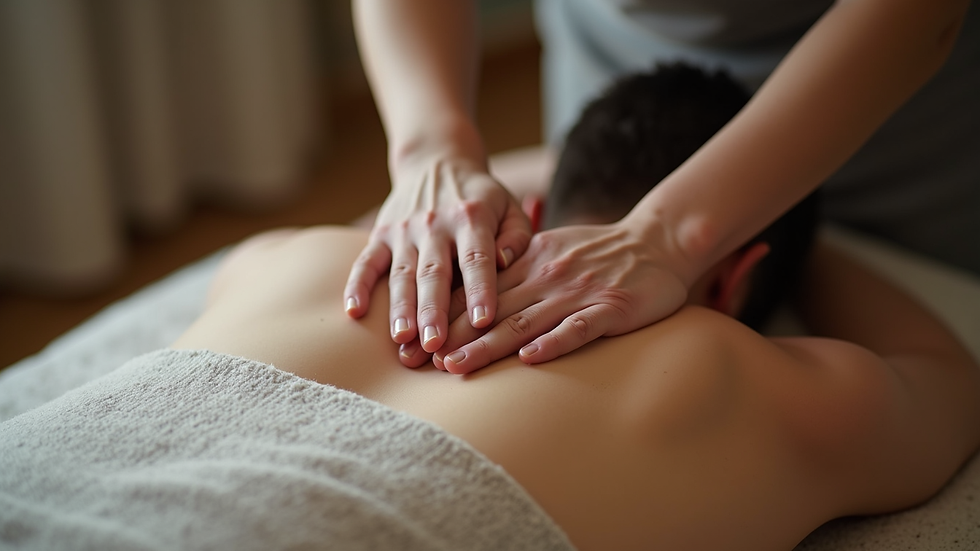
Manual Therapy: Hands-on techniques to relieve pain and improve mobility.
Therapeutic Exercises: Targeted exercises to strengthen muscles and improve flexibility.
Modalities: Techniques such as ultrasound, electrical stimulation, or heat therapy to aid recovery.
3. Strengthening Exercises
Once the initial pain and inflammation have subsided, it's time to focus on strengthening exercises. These exercises help rebuild muscle strength and support the injured area. Examples include:
Isometric Exercises: Engaging muscles without joint movement.
Resistance Training: Using weights or resistance bands to build strength.
Functional Exercises: Movements that mimic daily activities or sports-specific actions.
4. Flexibility and Mobility Training
Incorporating flexibility and mobility training into your rehabilitation program is vital. This helps restore the range of motion and prevent stiffness. Techniques include:
Stretching: Gentle stretching exercises to improve flexibility.
Joint Mobilization: Techniques to enhance joint movement and function.
5. Gradual Return to Activity
Returning to activity should be a gradual process. Rushing back can lead to re-injury. Follow these guidelines for a safe return:
Start Slow: Begin with low-intensity activities and gradually increase intensity.
Listen to Your Body: Pay attention to pain signals and adjust your activity level accordingly.
Cross-Training: Engage in alternative forms of exercise that do not stress the injured area.
Psychological Aspects of Rehabilitation
Injury rehabilitation is not just a physical journey; it is also a psychological one. The mental aspect of recovery can significantly impact your progress. Here are some strategies to support your mental well-being during rehabilitation:
Set Realistic Goals: Establish achievable short-term and long-term goals to maintain motivation.
Stay Positive: Focus on your progress rather than setbacks.
Seek Support: Engage with friends, family, or support groups to share your experiences.
Nutrition and Recovery
Proper nutrition plays a vital role in the recovery process. A balanced diet can support healing and improve overall health. Key nutritional strategies include:
Hydration: Staying well-hydrated aids in recovery and reduces inflammation.
Protein Intake: Consuming adequate protein supports muscle repair and growth.
Anti-Inflammatory Foods: Incorporate foods rich in omega-3 fatty acids, antioxidants, and vitamins to reduce inflammation.
Preventing Future Injuries
Once you have successfully rehabilitated from an injury, it's essential to implement strategies to prevent future injuries. Consider the following:
Warm-Up and Cool Down: Always include warm-up and cool-down routines in your workouts.
Strength Training: Maintain a regular strength training program to support muscles and joints.
Listen to Your Body: Pay attention to signs of fatigue or discomfort and adjust your activities accordingly.
Conclusion
Injury rehabilitation is a comprehensive process that requires patience, dedication, and the right strategies. By understanding the importance of early intervention, engaging in physical therapy, and focusing on strengthening and flexibility, you can elevate your practice and return to your activities with confidence. Remember, recovery is not just about healing; it's about coming back stronger and more resilient than before.
Take the first step today by assessing your injury and seeking professional guidance. Your journey to recovery starts now!

Comments